Training School on Evidence Synthesis, Meta-analysis and AI-Supported Methodologies Successfully Held in Seville
Researchers from across the COST Action CA23142 Delve-into-Pneumocystis gathered in Seville on 22–23 June 2026 for a Training School focused on evidence synthesis, meta-analysis, and emerging AI-supported methodologies for Pneumocystis research.
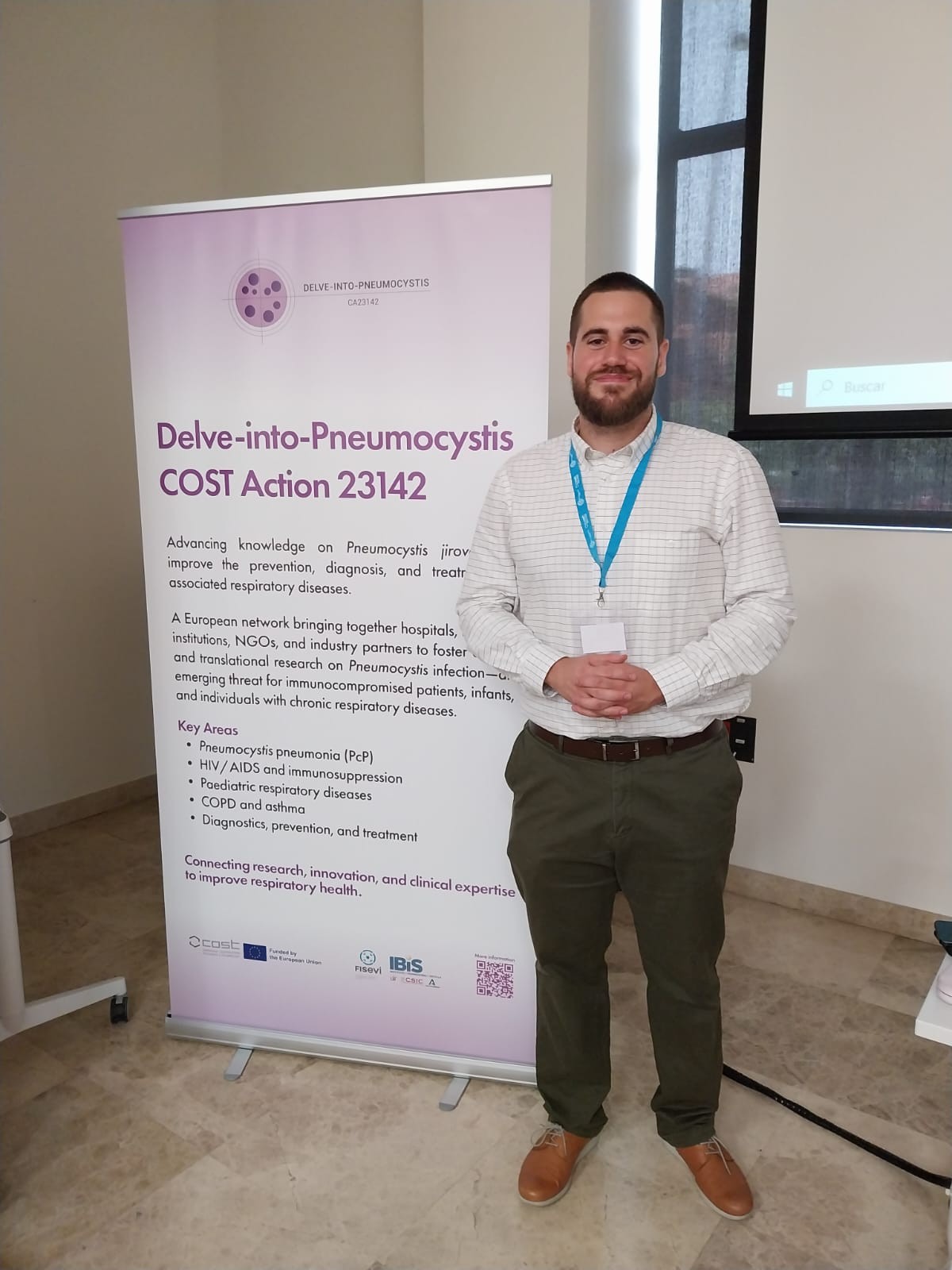
The Institute of Biomedicine of Seville (IBiS) hosted the Training School entitled “Evidence Synthesis, Meta-analysis, and Emerging AI-Supported Methodologies for Pneumocystis Research” on 22–23 June 2026. The event was organised within the framework of the COST Action CA23142 Delve-into-Pneumocystis and brought together researchers from different countries interested in advancing their methodological skills and exploring innovative approaches to Pneumocystis research.
Held in a hybrid format and coordinated by Enrique J. Calderón Sandubete, leader of the IBiS Clinical Epidemiology and Vascular Risk Group, the Training School combined theoretical and practical sessions aimed at strengthening participants’ expertise in evidence synthesis and emerging AI-assisted research methodologies.
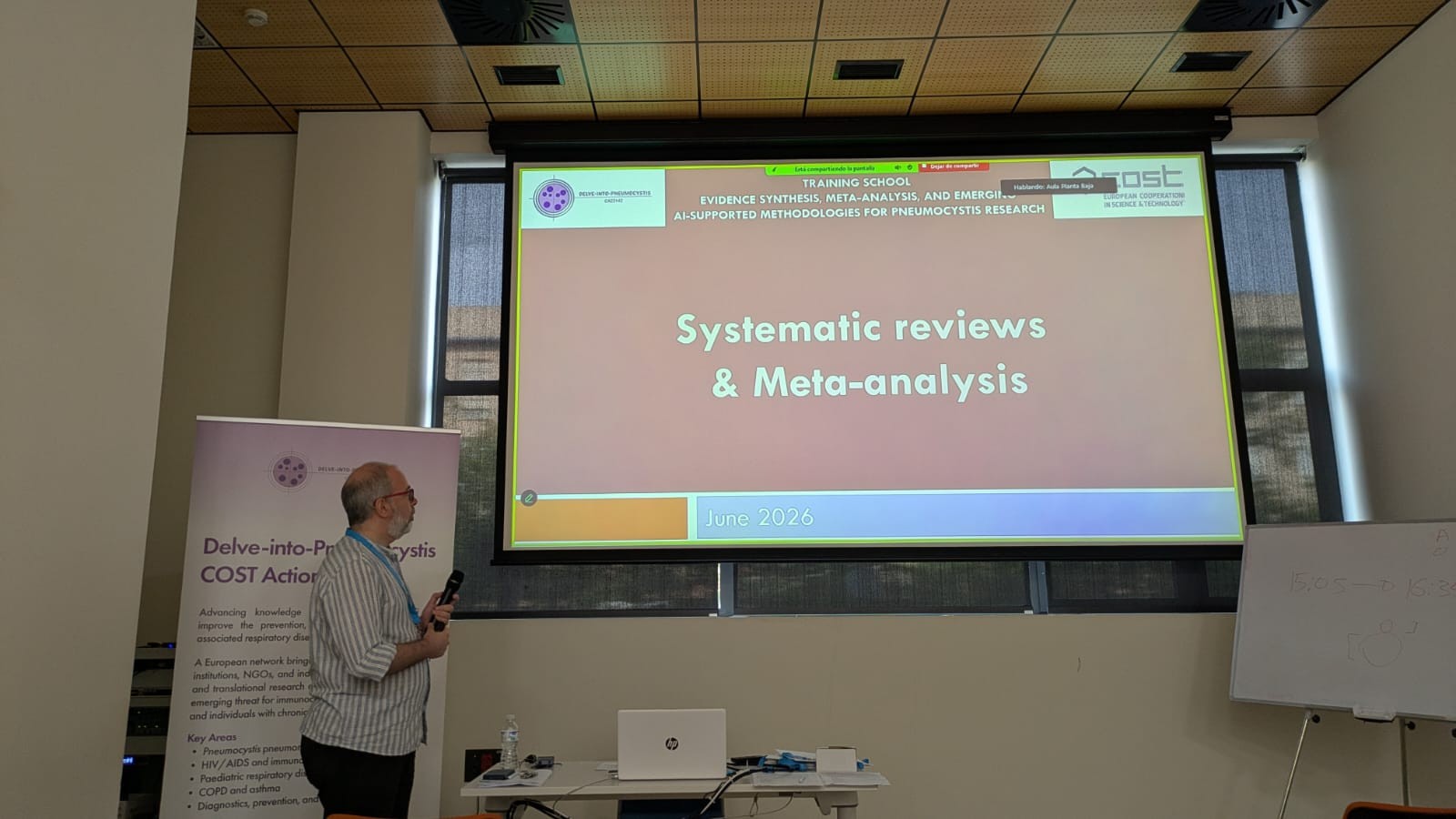
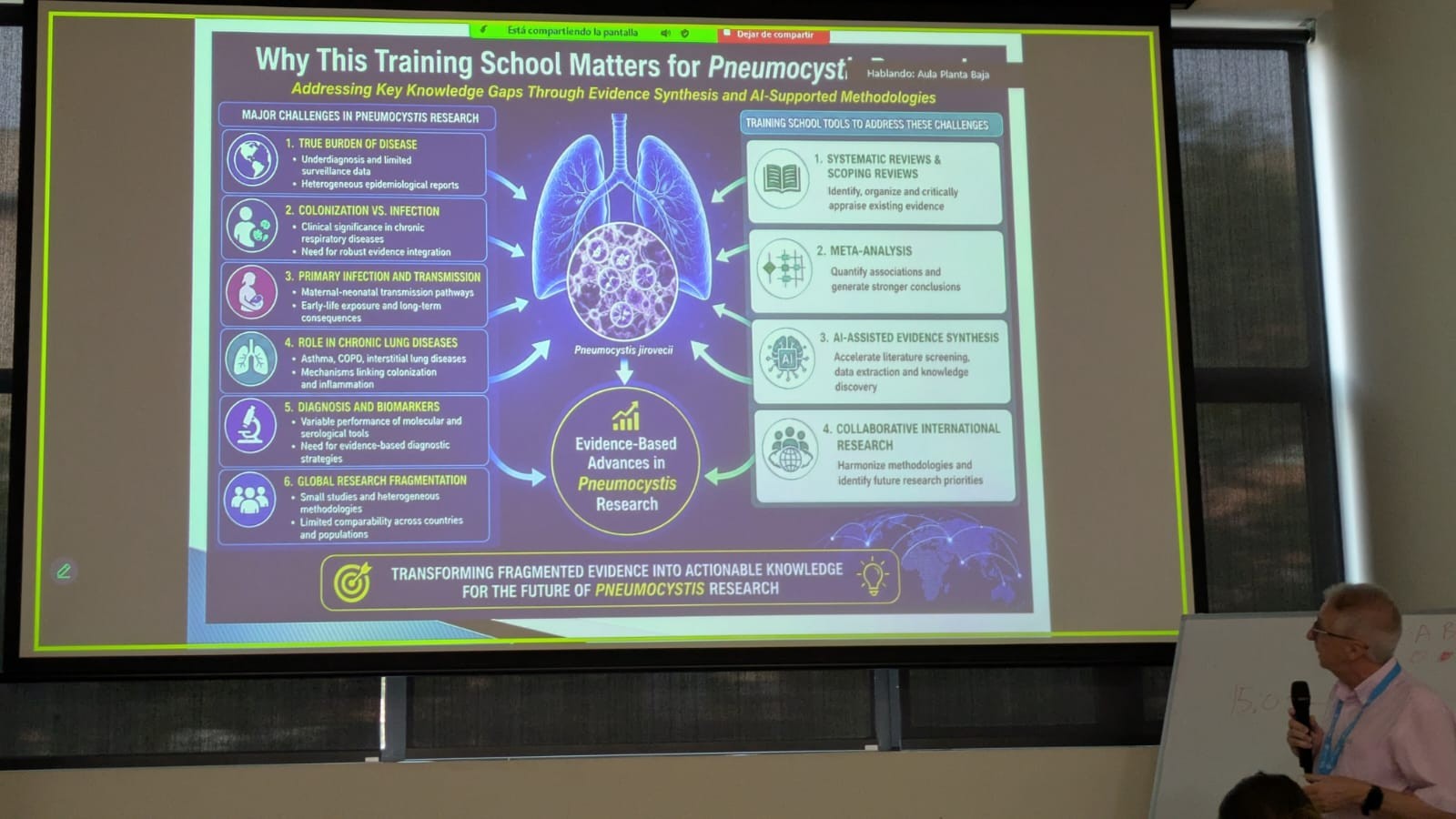
The programme featured contributions from Antonio Vallejo-Vaz and Juan Mora Delgado. During the first day, participants explored the principles of systematic reviews, scoping reviews, and meta-analyses, including the formulation of research questions, literature search strategies, study selection processes, and the application of the PRISMA (Preferred Reporting Items for Systematic Reviews and Meta-Analyses) framework. Practical examples focused on Pneumocystis research provided valuable insight into the application of these methodologies in real-world settings.
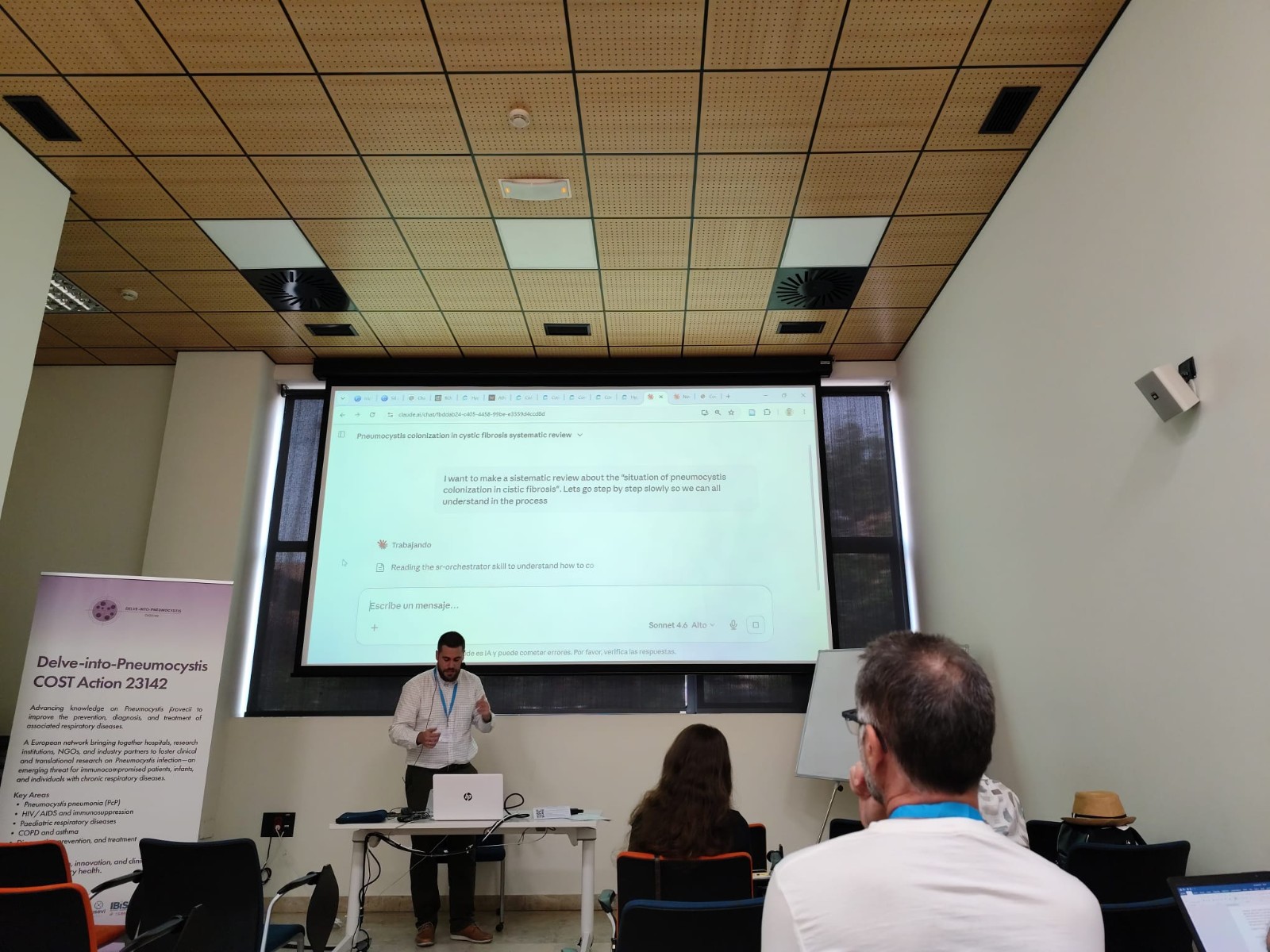
The second day focused on the growing role of artificial intelligence (AI)-supported tools in evidence synthesis. Participants discussed the potential benefits and current limitations of AI-supported tools for identifying, screening, evaluating, and integrating scientific evidence, as well as the methodological and ethical challenges associated with their implementation. Additional sessions addressed key concepts in meta-analysis, including effect measures, heterogeneity assessment, and the interpretation of findings from published Pneumocystis studies.
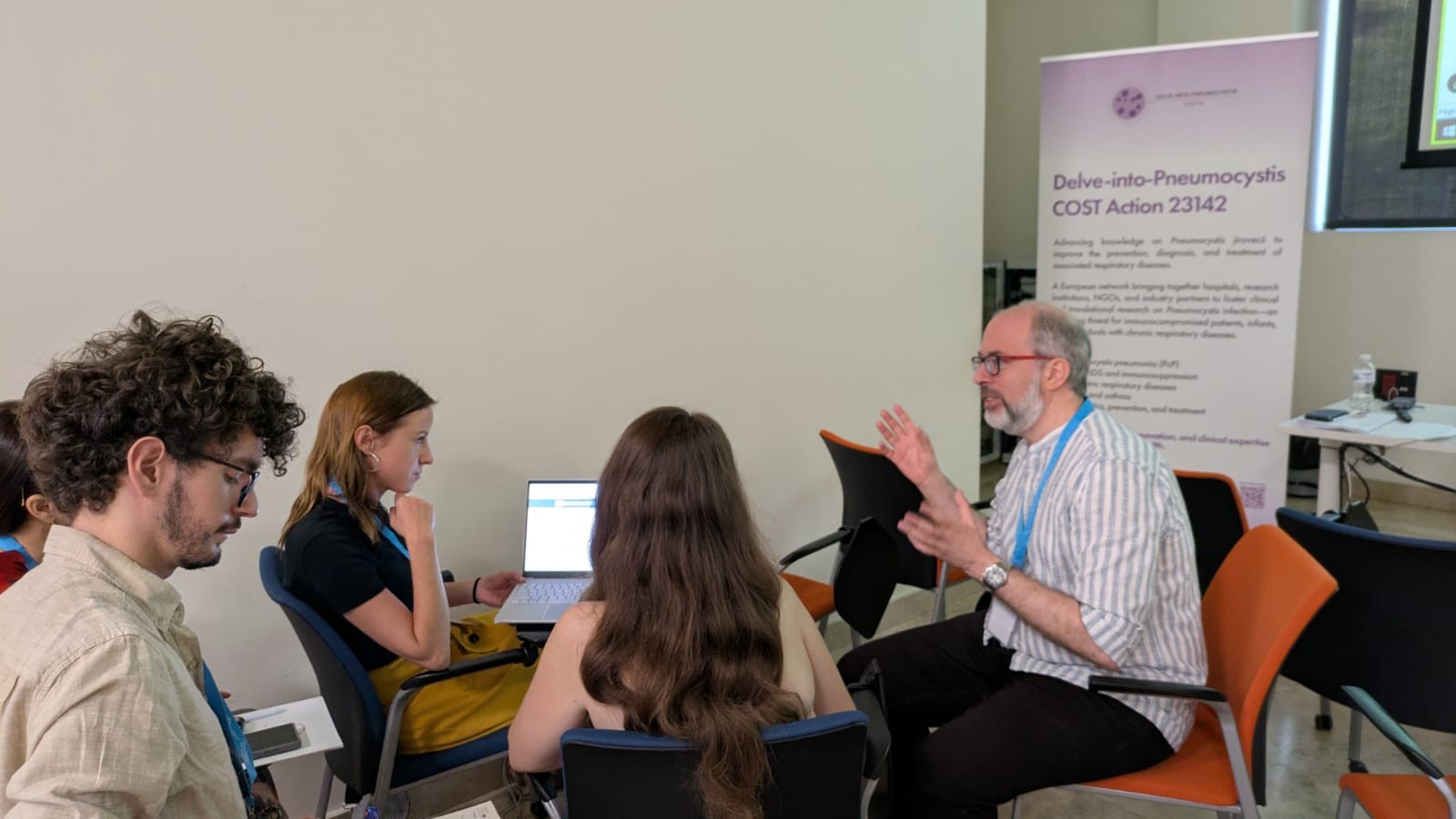
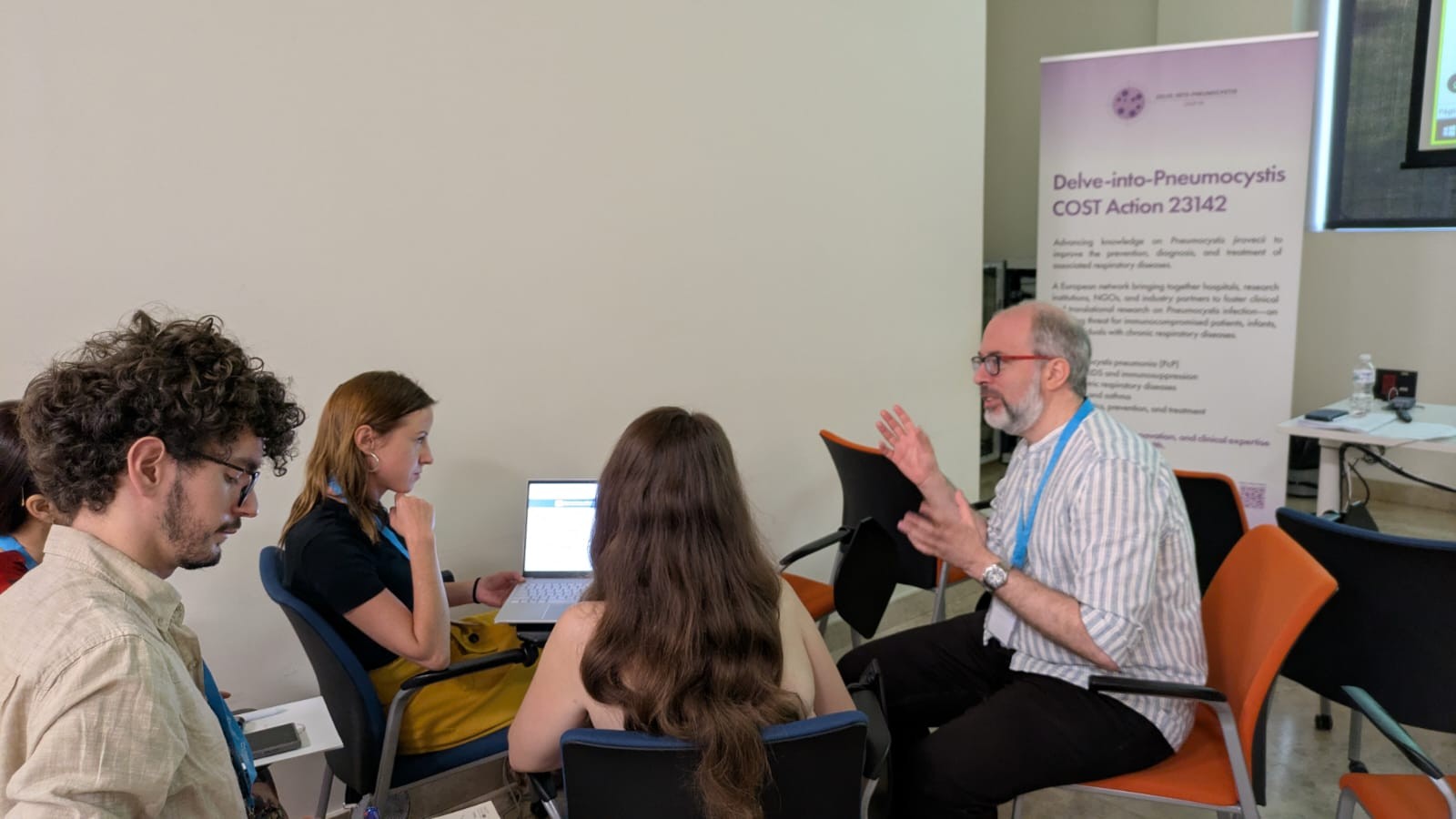
Beyond the scientific content, the Training School provided an excellent opportunity for networking and knowledge exchange among researchers from different institutions and countries participating in the Action. These interactions contribute to strengthening collaborative links and fostering future multidisciplinary research initiatives across Europe and beyond.
The COST Action CA23142 Delve-into-Pneumocystis is funded by the European Union through the COST (European Cooperation in Science and Technology) programme and aims to improve the understanding, diagnosis, prevention, and management of Pneumocystis infection by promoting collaboration between clinicians, researchers, and public health professionals.
Images